



Hence, using search engine marketing is not only the quickest method of obtaining visibility for your products but also a means to make your business successful. Paid ads and SEO may be the solution to the problem of the gap that you have, but only if they are coordinated under a well-defined strategy.
Otherwise, the clicks are wasted, costs increase and opportunities are overlooked. Incorrect keywords will attract users who are not interested in your website. Bad ad copy will lower your click-through rates and Quality Scores. Slow, irrelevant landing pages will kill your conversions, and thus your budget will be wasted.
This article will provide you with a solid understanding of the essentials of search engine marketing along with valuable advice and techniques to execute it successfully.
Table of Contents
Table of Contents
What Is B2B Search Engine Marketing (SEM)?
B2B Search Engine Marketing (SEM) is the process that involves the use of search engines like Google to locate, attract, and convert other businesses into customers. This is a customer acquisition strategy that combines paid advertising (PPC) with organic visibility (SEO) so that your brand is the one the buyers see when they are actively searching for your products or services.
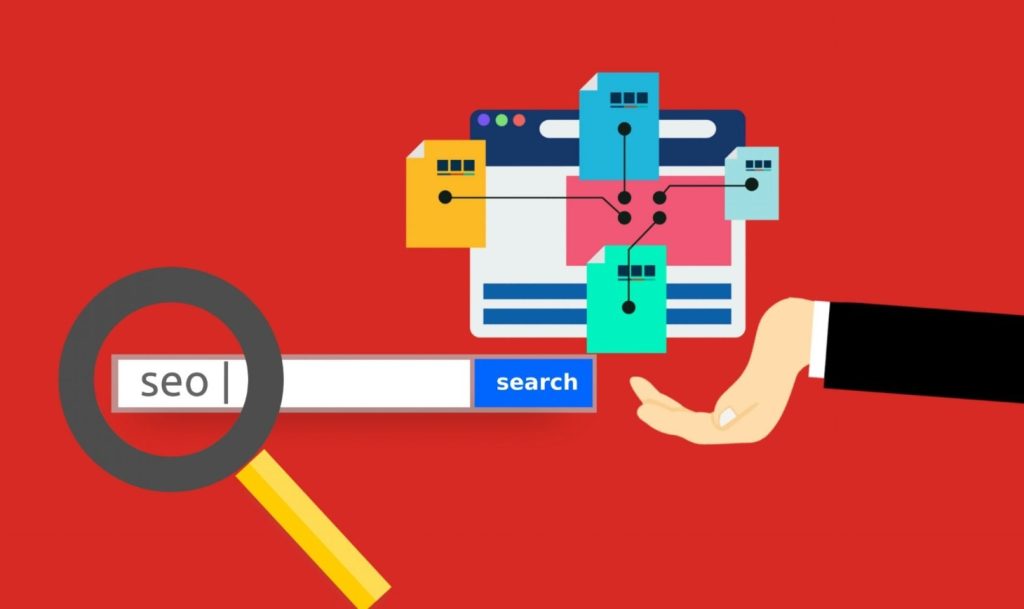
Besides that, it is about making the website content efficient to rank high in organic search results, which, in return, offers long-term visibility. If these strategies are employed together, they can be very powerful in reaching those businesses that are interested in partnering with you.
Core Components
- Paid Advertising (PPC): B2B companies purchase specified keywords (e.g., “enterprise CRM software”) to show their ads at the very top of the search results. The advertisers are charged only when a user clicks on their ads.
- Keyword Targeting: Focuses on the most professional and highly intentional business buyers’ queries. These would be industry-specific jargon, product features, or “solution” type of phrases.
- Landing Pages: The specific websites to which a user is redirected after clicking an advertisement. These are designed to be highly effective at capturing leads through forms, whitepaper downloads, or demo requests.
SEM can be highly effective for B2B companies when implemented strategically. Here’s why:
- Reaches Decision-Makers: B2B buyers are online research addicts before they decide to buy. An excellent SEM company makes sure that your company is there at the indispensable moments when they’re looking for solutions.
- Measurable Results: Both SEO and PPC are two sides of the same coin as they provide data and analytics to track performance, measure ROI (Return on Investment), and refine your strategy for the best results.
- Cost-Effective Lead Generation: Compared to traditional B2B marketing methods, SEM may be a more cost-efficient way to generate leads, especially when targeting high-intent keywords.
Core SEM Channels for B2B Lead Generation
Search Engine Marketing (SEM) remains an indispensable tool for B2B lead generation strategies. It is primarily due to its ability to attract high-intent traffic directly from the decision-makers or key stakeholders.
These individuals are often in the final stages of their buyer’s journey, visibly looking for the answers to their needs or problems. Two main avenues constitute the landscape of SEM, which are paid search and the overall search ecosystem extending beyond just the queries.

Google Ads for B2B
To attract users with a high commercial intent, Google Ads mainly depends on Search campaigns and Remarketing on the Display and Search Networks. These basic Search Engine Marketing (SEM) channels call for a specifically designed strategy that considers the B2B sales cycle being longer and there being more than one decision-maker.
Core SEM Channels and Strategies
- Google Search Ads: This is the most effective channel for capturing high-intent prospects actively seeking solutions.
- Keyword Targeting
- Negative Keywords
- Ad Copy
- Remarketing (via Display Network and Search Ads): B2B buyers often conduct extensive research, so remarketing is crucial for staying top-of-mind during the long sales cycle.
- Audience Segmentation
- RLSA (Remarketing Lists for Search Ads)
- Display Ads
Microsoft Advertising (Bing)
In the world of B2B lead generation, Microsoft Advertising (formerly Bing Ads) continues to be a significant, and often more cost-effective, core SEM channel. The main reason for this is the distinctive way it integrates with LinkedIn Profile Targeting and an audience that is made up of professionals and key decision-makers to a very high degree.
Therefore, it complements Google Ads exceptionally well, as it has the capability to get to this high-intent, heavy audience that most other platforms are unable to reach.
Retargeting Across Search & Display
B2B lead generation through retargeting on Search and Display in core SEM channels needs to be driven by a multi-channel segmented strategy. The strategy must deliver the content that aligns with the buyer’s stage in the buying journey. This leads to nurturing leads throughout the B2B sales cycle, which is usually quite lengthy.
Key Strategies
- Audience Segmentation
- Sequential Messaging
- Cross-Channel Execution
- Content Alignment
- CRM Integration & First-Party Data
- Frequency Capping & Creative Rotation
- Measure Pipeline, Not Just Clicks
LinkedIn Paid Search Integration
When LinkedIn paid media is combined with the core Search Engine Marketing (SEM) channels like Google Ads and Microsoft Ads, a full-funnel B2B strategy emerges. Essentially, this strategy connects audience-based targeting (LinkedIn) with intent-based targeting (Search), thereby giving the brand exposure to potential customers at any time throughout their buyer journey.
5 Strategic Integration Steps
- Define a Unified Strategy
- Leverage Cross-Platform Targeting Capabilities
- Align Content with the Buyer Journey
- Streamline Lead Capture and Nurturing
- Measure and Optimize Holistically
Keyword Strategy for B2B SEM
A strong B2B SEM keyword strategy depends on understanding buyer intent, focusing on long-tail, high-value terms, and aligning keywords with the buyer’s journey to generate qualified leads, rather than just increasing traffic.
The core actions are creating seed keywords with sales/product teams, using research tools, studying competitors, assigning keywords to funnel stages, using industry jargon, improving landing pages, and frequently checking performance to tweak your strategy for the greatest return on investment.
Core Principles for B2B Keyword Strategy
- Intent over Volume
- Match the Buyer Journey
- Focus on Business Value
Audience Targeting & Segmentation
Audience Targeting & Segmentation is a marketing strategy that segments a broad customer base into smaller, distinct segments of customers that share the same characteristics like demographics, behaviors, interests, or location.
That way, businesses can deliver highly personalized, relevant messages that increase engagement, sales, and ROI, rather than relying on a one-size-fits-all approach. It evolves from basic demographics to detailed data, leveraging insights from customer journey analytics to personalize content and ads for maximum impact.
Common Segmentation Criteria
- Demographics
- Psychographics
- Geographic
- Customer Journey
Ad Creative and Messaging That Converts
High-converting ad creatives combine compelling visuals with benefit-driven messaging and clear Calls to Action (CTAs). They focus on mobile-first, authentic, and brief content, such as Reels/UGC, that can quickly attract attention, demonstrate the products in use, and leverage social proof, while also testing variations to discover what works with your segmented audience for a powerful user experience.
Landing Page Optimization for Lead Capture
When the objective of landing pages is to drive lead capture through optimization, the output is highly focused pages that lack distractions and convey a clear value proposition, a strong headline, a simple form, and attractive visuals. All of it is aimed at leading the visitors to an action-oriented single Call to Action (CTA).
The most important strategies include removing navigation, ensuring the message aligns with ads, using social proof, giving away valuable lead magnets (such as eBooks), making sure of mobile friendliness, and continuously A/B testing elements such as headlines, forms, and CTAs to maximize conversion.
Key Elements for High-Converting Pages
- Compelling Headline & Subheadline
- Clear Value Proposition
- Relevant Visuals
- Focused Design
- Streamlined Form
- Action-Oriented CTA
- Social Proof
- Lead Magnet
Conclusion
Choosing the right SEM agency can make the difference between just “being there” and truly standing out in the crowded online landscape. Before anything else, you might want to consider whether it’s best for you to have a managed SEM account or to handle it on your own.
If you are unsure where to begin, consider exploring the world of SEM audit services. When B2B companies fully grasp these elements and adopt an integrated SEM strategy, they can effectively harness the power of search engines to reach their target audience, generate a steady flow of qualified leads, and ultimately achieve their business goals.