

After implementing Metabase for free and spending two days connecting their databases, everything changed. Real-time dashboards showed exactly which features drove retention. Marketing could finally prove their Google ads generated 3x more qualified leads than LinkedIn. Sales closed 40 percent more deals because they focused on the right prospects. Tom’s team stopped arguing and started building.
Table of Contents
Table of Contents
Why Startups Can’t Afford to Ignore Data Anymore
According to recent research, around 68 percent of data available to businesses goes completely unused. Startups collect information constantly through analytics, CRMs, payment processors, and support tools. But most founders have no systematic way to extract insights.
The global business intelligence market is expected to reach $33.3 billion by 2025, driven largely by startups adopting these tools. Around 25 percent more small businesses adopted BI tools over the past three years. Companies thriving in competitive markets use data to understand customers, optimize operations, and identify opportunities before competitors.
Manual spreadsheets might work for your first five employees. Beyond that, scattered data creates dangerous blind spots that cost money and hide critical problems.
What Makes BI Software Worth the Investment
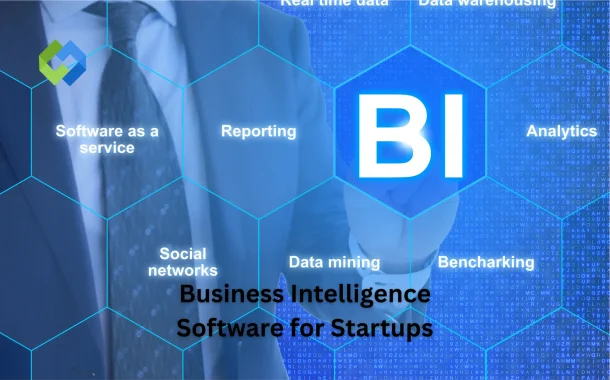
Business intelligence platforms connect to your data sources, process information, and present insights through dashboards and reports. Instead of manually exporting data from six different tools and reconciling conflicting numbers in Excel, BI software automatically pulls everything together.
Entry-level BI tools for 1 to 10 users cost up to $205 monthly. Mid-tier options for 10 to 100 users can reach $1,507 monthly. This feels expensive until you calculate time saved. One marketing director spent eight hours monthly building reports. After implementing BI with automated integration, that dropped to twenty minutes.
Modern platforms emphasize self-service where non-technical people explore data independently. Around 80 percent of startups cite data visualization as a key need. AI-powered features let users ask questions in plain English and get instant visualizations without knowing SQL.
Best BI Tools for Startups in 2026
Choosing software depends on your team size, technical capabilities, existing tools, and budget. These platforms dominate the startup space because they balance essential features with accessibility.
Metabase for Fast Setup and Zero Cost
Metabase offers a completely free open-source version trusted by over 90,000 companies. The platform emphasizes user-friendly drag-and-drop analytics so non-technical people can build reports without SQL knowledge. Technical users who prefer writing queries can use the full SQL editor.
Implementation takes under five minutes for basic setups. Connect your databases, create some dashboards, and start exploring data immediately. The interface feels intuitive enough that teams adopt it without extensive training.
Metabase works particularly well for startups with technical founders who can handle initial setup but want non-technical teams to self-serve analytics afterward. Paid plans with advanced features start around $500 monthly for larger teams.
Looker Studio for Google-Centric Teams
Looker Studio remains completely free from Google and integrates beautifully with Google Sheets, BigQuery, Google Analytics, and the broader Google ecosystem. For early-stage startups running on Google Workspace, this provides powerful dashboarding without additional costs.
The drag-and-drop interface makes creating visualizations straightforward. You can share dashboards easily and collaborate in real-time. However, Looker Studio lacks depth for complex analysis and doesn’t offer enterprise governance features.
Best used for lightweight dashboarding and reporting when you need to visualize and share data quickly without complexity or cost.
Power BI for Microsoft Ecosystem Integration
Microsoft Power BI starts around $10 per user monthly and integrates seamlessly with Microsoft 365, Azure, Excel, and SQL Server. If your startup already lives in the Microsoft ecosystem, Power BI becomes the natural choice.
The platform combines strong visualization capabilities, advanced data modeling, and new AI-powered Copilot features. You can connect to hundreds of data sources through pre-built connectors or custom APIs.
Power BI works best for teams comfortable with Microsoft tools who need enterprise-grade analytics at reasonable prices. The learning curve can feel steep for non-technical users despite improvements in usability.
Tableau for Stunning Visual Presentations
Tableau creates the most visually impressive, interactive dashboards in the industry. VCs and investors love data-rich presentations built in Tableau. The platform excels at telling compelling data stories that influence decisions.
Pricing varies but Tableau often offers discounts for startups. Check their website for current availability. The tool requires more technical knowledge than simpler alternatives but rewards that investment with unmatched visualization capabilities.
Best for seed to Series B startups that need to present impressive data stories to investors or enterprise clients where visual impact matters tremendously.
Zoho Analytics for Budget-Conscious Teams
Zoho Analytics provides solid reporting, visual analytics, and dashboarding as part of the larger Zoho business suite. For startups already using Zoho CRM or other Zoho tools, the integration advantages make adoption seamless.
The platform emphasizes affordability and ease of use. The AI-powered assistant named Zia helps users explore data through natural language queries. Mobile apps work well for teams needing access on the go.
Pricing starts low enough that bootstrapped startups can afford professional BI capabilities. The trade-off is somewhat less power than enterprise platforms like Tableau or Power BI.
Apache Superset for Open-Source Flexibility
Apache Superset provides a completely free, open-source option originally created at Airbnb. The platform supports custom dashboards, rich visualizations, and complex SQL queries without licensing costs.
Superset queries data sources directly enabling near real-time dashboards when paired with fresh data. The platform rewards technical investment with high customization and strong performance.
However, Superset requires more setup and technical knowledge than plug-and-play alternatives. Best for startups with strong technical teams who want complete control without vendor lock-in.
Common Mistakes Startups Make Choosing BI Software
Buying Enterprise Tools Too Early
Don’t purchase platforms designed for Fortune 500 companies when you have twenty employees. Enterprise BI like SAP or Oracle requires dedicated staff just to maintain. The complexity and cost outweigh benefits for early-stage companies.
Start simple with tools matching your current sophistication. You can upgrade later when complexity actually helps instead of hindering.
Ignoring Implementation Reality
Some BI platforms promise quick setup but require weeks of data warehouse configuration before delivering value. Understand what infrastructure prerequisites exist before committing.
Look for tools with pre-built connectors to your existing software that work immediately after signing up.
Forgetting About User Adoption
The most powerful BI platform is worthless if your team won’t use it. Involve actual users in testing during trials. If your sales team finds the interface confusing, they won’t adopt it regardless of capabilities.
Prioritize usability for non-technical users over impressive feature lists you’ll never actually use.
FAQs
How much should startups budget for business intelligence software?
Entry-level plans for small teams cost $0 to $205 monthly. Mid-sized startups with 10 to 100 users typically spend $200 to $1,507 monthly. Many excellent free and open-source options exist for bootstrapped companies. Calculate ROI by measuring time saved on manual reporting and improved decision quality.
Do we need technical expertise to implement BI tools?
Modern cloud-based BI platforms emphasize self-service and easy setup. Tools like Metabase, Looker Studio, and Zoho Analytics work without dedicated technical staff. More powerful platforms like Tableau or enterprise options benefit from technical knowledge but don’t strictly require it.
What’s the difference between business intelligence and business analytics?
Business intelligence focuses on descriptive analysis of historical and current data answering what happened and what’s happening now. Business analytics dives into predictive and prescriptive analysis answering why things happened and what you should do next. BI provides the foundation while analytics builds deeper insights on top.
Can BI software integrate with our existing tools?
Most modern platforms offer hundreds of pre-built connectors to popular business software. Verify specific integrations you need before purchasing. Look for native connections to your CRM, payment processor, marketing tools, and databases. API access enables custom integrations when needed.
How quickly can we see results after implementing BI software?
Simple implementations with cloud-based tools show results within days. Connect data sources, build basic dashboards, and start exploring insights immediately. More complex setups with data warehouse requirements might take weeks. Choose platforms matching your urgency and technical capabilities.
Conclusion
Tom’s SaaS company isn’t unique. Thousands of startups discover that scattered data and conflicting spreadsheets slow growth and enable expensive mistakes. The right BI software transforms data chaos into actionable insights driving better decisions.
Start by identifying your biggest data pain points. Are teams arguing about conflicting numbers? Do you lack visibility into key metrics? Are manual reports consuming hours weekly? Match problems to platform strengths.
Test thoroughly using free trials. Run real analyses during trials instead of superficial exploration. Involve the people who will actually use the software daily. Their feedback matters more than executive preferences.