


Most developers and designers focus intensely on perfecting their craft. They learn new frameworks, master Shopify customisation, refine their UI/UX processes. These skills matter enormously. But the business infrastructure supporting that work often receives far less attention.
Understanding how to manage the operational side of a freelance web development business can mean the difference between sustainable success and constant financial stress. This is not about becoming a business expert. It is about making smart decisions on the practical elements that affect your daily work.
Table of Contents
Table of Contents
The Hidden Infrastructure of Freelance Work
Every functioning freelance business runs on systems that clients never see.
Communication tools that keep projects organised. File management structures that prevent version chaos. Invoicing workflows that ensure you actually get paid. Connectivity solutions that let you work from anywhere without interruption.
These operational elements do not appear in your portfolio. Clients do not hire you because of your project management setup. But weak infrastructure creates friction that slows everything down, while strong infrastructure becomes invisible, letting your actual skills shine through.
New freelancers often underestimate how much time operational tasks consume. Experienced ones have systematised these elements so thoroughly that they barely register as work anymore. The gap between these two states represents years of accumulated wisdom about what actually matters.
Setting Up Your Development Environment
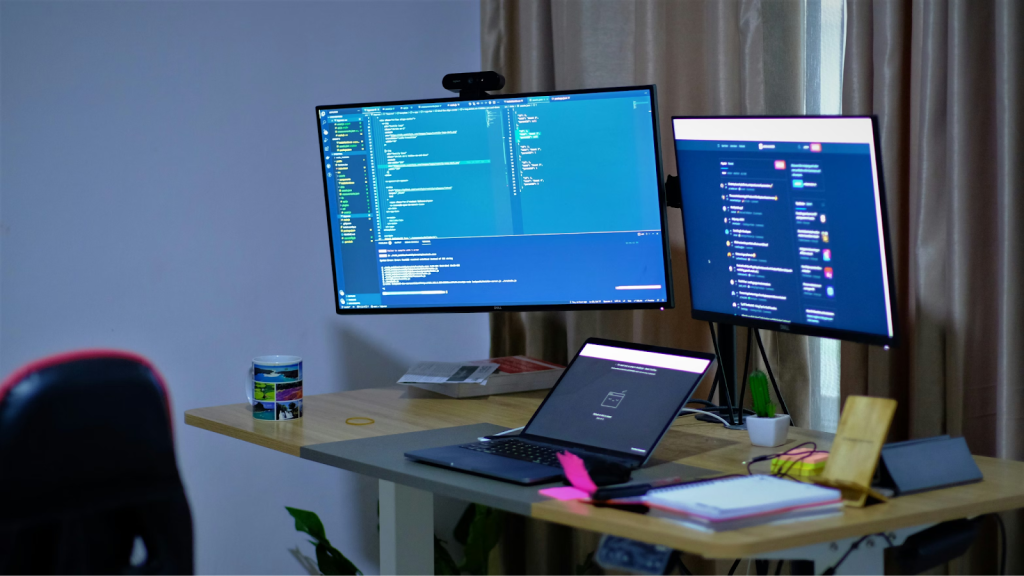
Your workspace setup directly affects output quality and speed.
This extends beyond the obvious elements like monitors and desk chairs. It includes the software subscriptions you maintain, the backup systems protecting your work, the version control practices keeping projects organised.
Shopify developers need reliable access to development stores and theme customisation environments. UI/UX designers require tools that support collaboration and handoff to developers. Full-stack freelancers juggle multiple environments simultaneously.
The temptation to accumulate tools is strong. Every new application promises improved productivity. But tool sprawl creates its own problems. Subscription costs accumulate. Attention fragments across platforms. The cognitive load of managing multiple systems offsets any efficiency gains.
Audit your toolset periodically. Identify what you actually use daily versus what you pay for but rarely touch. Consolidate where possible. The goal is a lean stack that supports your workflow without creating administrative burden.
Client Communication Systems
How you communicate with clients shapes project outcomes more than most developers realise.
Scattered conversations across email, messaging apps, video calls and project management tools create information gaps. Important decisions get lost in threads. Scope changes happen verbally and never get documented. Disputes arise because memories differ about what was agreed.
Establishing clear communication channels from project start prevents most of these problems. Define where different types of communication belong. Quick questions might go through Slack or messaging. Formal approvals happen through email. Design feedback lives in collaborative tools like Figma.
Document everything significant in writing. When clients request changes during calls, follow up with written confirmation. This protects both parties and creates reference points when questions arise later.
Response time expectations deserve explicit discussion. Some clients expect near-instant replies. Others are comfortable with once-daily check-ins. Neither approach is wrong, but mismatched expectations create frustration. Address this early rather than discovering conflicts mid-project.
Working Remotely Without Friction
The flexibility to work from anywhere is one of freelancing’s major advantages.
Realising that flexibility requires infrastructure that travels with you. Laptop capability matters, but connectivity matters just as much. A powerful machine means nothing if you cannot access client files, push code updates, or join video calls.
Many freelance developers work from cafes, co-working spaces, client offices and while travelling. Each environment presents different connectivity challenges. Public WiFi networks vary wildly in reliability and security. Mobile hotspots provide backup but depend on cellular coverage.
Understanding your mobile plan options becomes surprisingly relevant for location-independent work. Many developers researching what are the best sim only plans discover that separating their phone service from device payments gives them more flexibility to adjust coverage and data based on their working patterns. Remote work during travel particularly benefits from understanding roaming provisions and data allowances before departure rather than after receiving a surprising bill.
Security considerations compound connectivity questions. VPN usage protects client data on public networks but requires additional bandwidth. Two-factor authentication depends on reliable mobile signals. The practical requirements of secure remote work extend beyond simply having internet access.
Managing Project Workflows
Consistent processes prevent chaos when juggling multiple clients.
Shopify projects follow different rhythms than custom development work. UI/UX engagements have distinct phases from implementation projects. But underlying principles apply across project types. Clear milestones. Defined deliverables. Approval checkpoints before proceeding.

Template your common project structures. A new Shopify store build should not require reinventing your process each time. Standard phases, standard deliverables, standard check-in points. Customise for specific client needs, but start from a proven foundation.
Time tracking reveals where hours actually go versus where you think they go. Most developers underestimate administrative time and overestimate productive coding time. Accurate data informs better project estimates and helps identify workflow inefficiencies.
Build buffer time into every estimate. Projects always encounter unexpected complications. Shopify API changes. Design revisions exceed expectations. Client feedback arrives late. Buffer absorbs these shocks without destroying schedules or profitability.
Financial Operations That Scale
Getting paid should not be complicated, yet many freelancers struggle with this basic business function.
Invoice promptly when milestones complete. Delayed invoicing signals that payment is not important, which clients may interpret as permission to delay payment themselves. Immediate invoicing establishes professional expectations.
Payment terms deserve explicit agreement before projects begin. Net 30 is standard but not universal. Some clients pay faster with early payment discounts. Others require longer terms due to internal processes. Know what you need for cash flow and negotiate accordingly.
Deposits protect against project abandonment. Requiring payment before work begins ensures commitment from both parties. Standard practice ranges from 25% to 50% upfront depending on project size and client relationship.
Separate business and personal finances completely. This simplifies tax preparation, clarifies profitability, and presents a more professional image. Business bank accounts and dedicated payment processing are basic requirements, not optional extras.
Subscription and Tool Cost Management
Software costs accumulate faster than most freelancers expect.
Design tools, development environments, hosting services, project management platforms, communication tools, accounting software. Each subscription seems reasonable individually. Collectively they can represent substantial monthly overhead.
Review subscriptions quarterly. Cancel anything unused for the past month. Downgrade plans that exceed actual needs. Many tools offer annual billing discounts that reduce costs significantly if you are confident about continued use.
Consider whether premium tiers genuinely improve your work or just provide features that sound appealing. The free version of many tools suffices for freelance scale. Enterprise features rarely benefit solo practitioners or small teams.
Watch for subscription creep during busy periods. Signing up for a new tool to solve an immediate problem is easy. Remembering to cancel when the project ends is harder. Unused subscriptions quietly drain resources month after month.
Building Sustainable Operations
Short-term hustle cannot substitute for sustainable systems.
Many freelancers operate in constant crisis mode. Every project feels urgent. Every client’s demand requires immediate response. The work gets done, but the pace proves exhausting and unsustainable.
Sustainable freelancing requires boundaries and systems that protect your capacity. Defined working hours even when self-employed. Response time expectations that allow focused work periods. Project loads that leave margin for unexpected complications.
The operational decisions covered here might seem distant from the creative work that attracted you to web development. But they create the foundation that makes creative work possible over the long term.
Strong operations let you focus on what you do best. Weak operations constantly pull attention away from client work toward administrative fires. The investment in building good systems pays returns indefinitely.
The Ongoing Refinement
No operational setup remains optimal forever.
Tools improve and change. Client expectations evolve. Your own working style develops. The systems that served you well last year may need adjustment for current circumstances.
Build regular reviews into your practice. Quarterly assessment of tools, workflows and financial performance catches problems before they compound. Annual strategic review considers larger questions about direction and positioning.
Your operational infrastructure should evolve alongside your skills. As you take on larger projects, more complex clients, or different types of work, the supporting systems need corresponding development.
The freelance developers who build lasting careers treat operations as seriously as craft. They understand that sustainable success requires both excellent work and excellent business practices. Neither alone suffices.
Start where you are. Improve incrementally. Build systems that support the practice you want, not just the one you have today.