

Paid acquisition has changed quietly over the years. It’s no longer about getting as many clicks as possible, it’s about attracting intent. According to a report by Statista, search advertising spending worldwide continues to grow steadily, reflecting how critical paid search has become in digital decision-making.
Because when targeting is off, even slightly, you’re not just wasting budget. You’re missing users who were already looking for a solution like yours.
Here’s where things start to shift.
Table of Contents
1. They Focus on Intent, Not Just Clicks
There’s a common trap in PPC, chasing volume. More impressions, more clicks, more “activity.” But SaaS growth isn’t built on surface-level metrics.
A good agency digs deeper. They look at why someone is searching.
- Are they comparing tools?
- Looking for pricing?
- Trying to solve a specific problem?
Those signals change everything, from keyword selection to ad copy tone. Instead of casting a wide net, campaigns are structured around high-intent queries. Fewer clicks sometimes. Better ones, though. And that’s what actually converts.
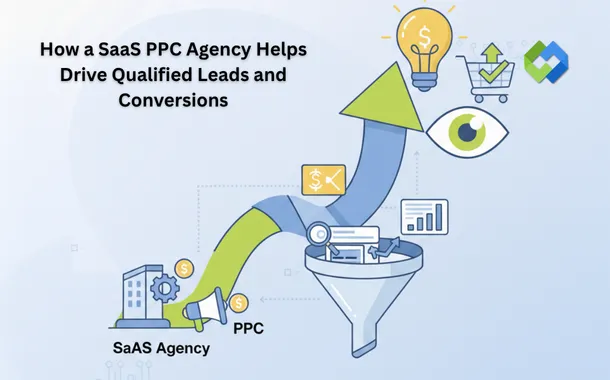
2. They Build Campaigns Around the Sales Funnel
Not every user is ready to sign up today. Some are just exploring. Others are closer to making a decision.
A seasoned team, like those behind a Lever Digital Ltd., understands how to map PPC campaigns to each stage of the funnel without overcomplicating it. Within the first few weeks of working, many SaaS brands realize something: they’ve been talking to everyone the same way.
That changes quickly. A thoughtful SaaS PPC Agency approach usually breaks things down like this:
- Top of funnel: Problem-aware users, educational messaging
- Middle of funnel: Comparison keywords, feature-focused ads
- Bottom of funnel: Pricing, demos, strong intent signals
Each layer feeds into the next. And suddenly, conversions don’t feel random anymore. Instead, they follow a clear path, where every click moves the user closer to a confident decision.
3. They Treat Landing Pages as Part of the Ad
Ads don’t convert, landing pages do. That disconnect is where many SaaS campaigns quietly lose momentum. A user clicks with interest, but the page doesn’t match the promise, and they leave.
Strong agencies make sure the transition feels seamless. The message, tone, and offer in the ad should carry through instantly. No confusion, no extra steps. They also simplify the experience. One clear goal, minimal distractions, fast loading. Sometimes the issue isn’t poor targeting or weak ads. It’s what happens after the click that makes or breaks the conversion.
They continuously test variations, too, headlines, layouts, CTAs, looking for small improvements that compound over time. Even minor tweaks can significantly increase conversion rates when aligned with user intent.
4. They Test More Than You Think
Testing in PPC isn’t just swapping headlines and hoping for the best. It’s a constant process of small, deliberate experiments.
What actually gets tested:
- Different value propositions
- Pricing visibility vs. hidden pricing
- Long-form vs. short-form landing pages
- Emotional vs. rational ad copy
And here’s the key, most tests don’t produce unrealistic results overnight. But over time, these incremental improvements stack up. A 10% lift here. Another 15% there. Six months later, the campaign looks completely different. And far more efficient.
5. They Understand SaaS Metrics Beyond CPC
Cost-per-click is easy to track, which is exactly why so many teams rely on it too heavily. But in SaaS, it rarely tells the full story. A cheap click doesn’t mean much if that user never signs up, or worse, churns quickly.
SaaS journeys take time. People explore, compare, test, and only then commit. That’s why experienced agencies look beyond surface metrics and focus on what actually drives revenue over time. They pay attention to how leads move through trials, how many turn into paying users, and how long they stay.
This shift changes everything. Suddenly, a higher CPC isn’t a problem if those users convert better and stick around longer. It’s less about immediate efficiency, more about long-term value.
6. They Connect PPC with the Bigger Growth Picture
PPC doesn’t live in isolation. Or at least, it shouldn’t. When campaigns are aligned with product positioning, sales feedback, and even customer support insights, something interesting happens, the messaging gets sharper.
Real objections get addressed in ads. Real use cases get highlighted. This kind of integration is often what separates average campaigns from high-performing ones.
For example, insights from onboarding teams might reveal why users drop off. That can directly influence ad messaging or landing page clarity. It’s all connected. Over time, this alignment ensures campaigns evolve alongside the product, keeping messaging relevant, consistent, and closely tied to real customer behavior.
7. They Use Data to Cut Waste Quickly
Not all campaigns deserve to keep running. That sounds obvious, but many teams hesitate to pause underperforming ads. An experienced PPC partner doesn’t. They look at:
- Search terms that don’t convert
- Audiences that bounce quickly
- Devices or locations draining budget
And then they cut very fastly. This isn’t about being aggressive, it’s about protecting spending so it can be redirected where it actually works. Over time, this pruning process sharpens the entire account.
It also creates room to scale winning campaigns with confidence, ensuring budgets are consistently focused on high-performing segments that deliver measurable results and sustainable growth over time.
Conclusion
Driving qualified leads in SaaS isn’t about pushing harder on ads. It’s about refining how, and who you target, how your message lands, and what happens after the click.
A skilled SaaS PPC agency doesn’t just manage campaigns. They reshape how your business approaches paid growth. The difference shows up gradually. Better leads. More meaningful conversations. Conversions that actually turn into customers. And once that momentum starts building, it tends to compound.
Over time, this structured approach reduces wasted spend, improves predictability, and gives your team clearer insights into what truly drives sustainable, long-term revenue growth.