

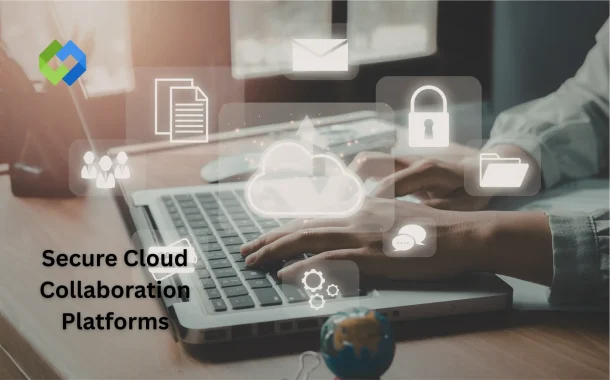
These platforms use advanced security measures to prevent data leaks, unauthorized access, and cyber threats. They allow users to collaborate without worrying about data safety. For businesses handling private or customer data, using a secure platform is not optional. It is a basic requirement.
Table of Contents
Table of Contents
What Are Secure Cloud Collaboration Platforms
Secure cloud collaboration platforms are online tools that allow users to work together while keeping data protected. These platforms store data on cloud servers instead of local systems. Users can access files from anywhere using the internet.
Security is built into these platforms through encryption, access controls, and monitoring tools. This ensures that only authorized users can view or edit shared content. These platforms are designed to balance ease of collaboration with strong data protection.
Many modern businesses depend on these platforms to manage remote work, cross-team collaboration, and file sharing without risking data security.
Why Security Matters in Cloud Collaboration
Security plays a major role in cloud collaboration. Teams often share contracts, financial data, login credentials, and internal documents. If this data is exposed, it can cause serious damage.
Cyber attacks are increasing every year. Hackers target cloud platforms because they store large amounts of valuable data. Without proper security, attackers can access files, steal information, or disrupt operations.
Secure platforms reduce these risks. They protect data during storage and transfer. They also help businesses meet compliance requirements and build trust with users and customers.
Key Security Features in Cloud Collaboration Platforms
Data Encryption
Encryption is one of the most important security features. It protects data by converting it into unreadable code. Secure platforms use encryption for data at rest and data in transit.
This means files are protected while stored on servers and while being shared between users. Even if data is intercepted, it cannot be read without decryption keys.
Access Control and User Permissions
Access control ensures that only the right people can access certain files or features. Admins can set permissions based on roles. Some users can view files, while others can edit or manage them.
This reduces the risk of accidental data leaks. It also prevents unauthorized users from accessing sensitive information.
Multi-Factor Authentication
Multi-factor authentication adds an extra layer of security. Users must verify their identity using more than one method. This can include passwords, mobile codes, or biometric verification.
Even if login credentials are stolen, attackers cannot access accounts without the second verification step. This greatly reduces account takeover risks.
Activity Monitoring and Logs
Secure platforms track user activity. They record logins, file access, edits, and downloads. This helps detect suspicious behavior early.
If a security issue occurs, logs help identify what happened and who was involved. This improves response time and damage control.
Benefits of Using Secure Cloud Collaboration Platforms
Secure cloud collaboration platforms offer many benefits beyond basic security. They improve productivity, flexibility, and teamwork.
Teams can work from different locations without worrying about data exposure. Files are always updated and accessible. Communication becomes faster and more organized.
Security features reduce stress for businesses. There is less risk of data loss, compliance issues, or cyber attacks. This allows teams to focus on work instead of security concerns.
Common Use Cases of Secure Cloud Collaboration
Many industries rely on secure cloud collaboration platforms. IT teams use them to manage projects and code files. Marketing teams use them to share campaigns and assets. Finance teams use them for reports and planning.
Remote teams benefit the most. They can collaborate in real time without physical meetings. Secure access ensures that employees only see what they are allowed to see.
Educational institutions and healthcare organizations also use these platforms. Security is critical in these sectors because they handle personal and confidential data.
Challenges in Cloud Collaboration Security
Data Breaches
Data breaches are a major concern. Weak security settings or poor password practices can lead to unauthorized access. Even trusted users can accidentally expose data.
Secure platforms help reduce this risk, but user awareness is also important. Businesses must combine strong tools with proper training.
Compliance Requirements
Many industries must follow data protection laws. These include GDPR, HIPAA, and other regulations. Not all platforms meet these standards.
Choosing a compliant platform is important. It helps avoid legal issues and fines. Secure platforms often provide compliance certifications and tools.
User Management Issues
Managing users becomes complex as teams grow. Former employees may retain access if accounts are not properly managed.
Secure platforms offer centralized user management. Admins can add, remove, or modify access easily. This reduces human error.
How to Choose the Right Secure Cloud Collaboration Platform
Choosing the right platform depends on business needs. Security should always be a top priority. Look for platforms with strong encryption and authentication features.
Ease of use is also important. A secure platform that is hard to use can reduce productivity. Integration with existing tools is another key factor.
Scalability matters for growing teams. The platform should support more users without performance issues. Reliable customer support is also helpful during setup or security incidents.
Best Practices for Using Secure Cloud Collaboration Platforms
Businesses should follow best practices to maximize security. Strong passwords should be mandatory. Multi-factor authentication should be enabled for all users.
Regular access reviews help ensure only active users have permissions. Sensitive files should have restricted access. Employees should be trained on security awareness.
Keeping software updated is also important. Updates often fix security vulnerabilities. A secure platform combined with responsible usage offers the best protection.
Future of Secure Cloud Collaboration
Cloud collaboration is evolving rapidly. Security technologies are also improving. Artificial intelligence is being used to detect threats faster.
Zero trust security models are becoming common. These models verify every user and device before granting access. This reduces internal and external risks.
As remote work continues to grow, secure cloud collaboration platforms will become even more important. Businesses will invest more in tools that offer both flexibility and protection.
Conclusion
Secure cloud collaboration platforms help teams work together without risking data safety. They allow file sharing, communication, and real-time editing in a protected environment. Strong features like encryption, access control, and authentication keep sensitive information safe. These platforms support remote work and improve daily workflows. Businesses can collaborate faster while maintaining control over their data.
Choosing the right platform is important for long-term security. A good platform should be easy to use, scalable, and compliant with security standards. When combined with good user practices, secure cloud collaboration reduces risks and increases trust.
FAQs
What makes a cloud collaboration platform secure
A secure cloud collaboration platform uses encryption, access controls, and authentication methods. It protects data during storage and sharing. Regular monitoring and security updates also play an important role.
Are cloud collaboration platforms safe for sensitive data
Yes, secure platforms are designed to handle sensitive data. They follow strict security standards and compliance rules. However, businesses must use proper settings and follow best practices to stay protected.
How does encryption help in cloud collaboration
Encryption converts data into unreadable code. It prevents unauthorized access even if data is intercepted. This ensures privacy and data integrity during sharing and storage.
Is multi-factor authentication really necessary
Yes, it adds an extra security layer. Even if passwords are compromised, accounts remain protected. It is especially important for remote teams and sensitive projects.
Can small businesses use secure cloud collaboration platforms
Yes, many platforms are designed for small businesses. They offer affordable plans with strong security features. Small teams benefit from secure access and easy collaboration.