

Table of Contents
Turning Nearby Searches Into Scheduled Work
- Local Visibility Drives Service Inquiries
Because landscaping is inherently local, a property manager does not necessarily need to hire a service from two counties away for their commercial lawn, which may require weekly, drainage, mulch, and storm cleanup services. While proximity might be the first consideration, the ultimate choice relies on trust, clarity, and proof of ability.
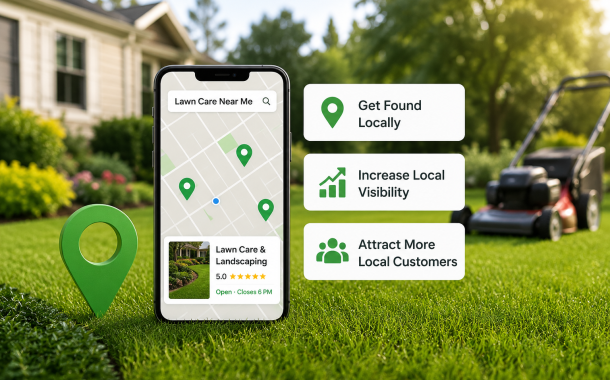
Local SEO enables the right customers to find the right businesses based on location. If a landscaping company ranks on Google Maps, in local organic search results, and in targeted service-based searches, they are more likely to be seen first than their competition. This is because not seeing them means not finding them.
- Search Intent Changes With The Season
These types of searches will change depending on the season. Spring tasks may include cleanups, fertilizing, planting, mulching, irrigation system checks, and weekly lawn mowing. Summer searches may include lawn care, irrigation, weed removal, trimming, and commercial ground maintenance. Autumn searches might involve leaf clearing, winter preparation, pruning, and property cleaning. For some businesses in cold-weather regions, snow clearance will also be included in seasonal searches.
This seasonal pattern makes landscaping SEO important because it helps businesses align their website, service pages, Google Business Profile, and local content with what customers are actively searching for at different times of the year. A company that prepares to be visible just before the peak demand season will receive more qualified leads.
- Property Managers Need Fast Vendor Confidence
Landlords and facility managers face decision-making under time constraints. Weeds and unsightly ground cover can affect tenant satisfaction, safety, curb appeal, and property valuation. Lack of proper irrigation can cause serious damage to the lawn in a short period of time. Inadequate drainage can pose legal risks. Even with a well-maintained building, an unkempt lawn signals that the commercial property is mismanaged.
These prospects need specific assurances. What they want to know is whether the landscaping business offers services for commercial properties, whether regular maintenance is included, whether communication is clear, and whether the company can meet set deadlines. Local SEO can provide that assurance by conveniently presenting the right information.
- Google Maps Often Decides First Contact
Often, when looking for local landscaping on search engines, Google Maps is the first true competitor. In one search, a person can find a company’s name, reputation rating, reviews, address, working hours, photos, and contact methods. Any business needs to present itself effectively on Google Maps because of the platform’s advantages in both urgency and repeat use.
Completeness and relevance are necessary for a Google Business Profile. The company’s categories must correspond to its services. Working hours have to be truthful. Photos have to represent its crew, equipment, work on lawns, beds, hardscapes, and completed outdoor spaces. An incomplete or out-of-date presentation may ruin even a highly skilled business.
- Reviews Give Buyers Practical Proof
Reviews play an important role in the field of lawn care and landscaping, as the work done is visible and regularly assessed, and it is closely tied to the property’s presentation. It’s easy to catch people’s attention with stars, but in reality, the review text plays a bigger role. Reviews that include information about the promptness of crews, regular grass cutting, proper edging, reliable communication, careful work with plants, and timely responses after bad weather are more valuable.
The reviews that will be most helpful to the company are those that address managed properties, business locations, services involving multiple properties, seasonal lawn care, or maintenance services. Such a review will give potential buyers insight into whether the company can help them. A homeowner’s review is helpful too, but a property manager’s review will focus on their reliable weekly services.
- Service Pages Should Match Real Needs
Many landscaping websites feature generic pages that cover lawn care, landscaping, maintenance, and outdoor services in a very general way. Such practices could actually affect their SEO and customer confidence, since users search based on needs rather than enterprise classifications.
Commercial properties require a wide range of services, including lawn maintenance, landscaping, irrigation repairs, cleaning, pruning, mulching, drainage, and snow removal. The services vary significantly, so each service page needs to include information specific to its subject matter, as a commercial lawn maintenance page should look different from a landscape installation page.
- Local Content Builds Seasonal Authority
Local content gives landscaping companies the chance to answer clients’ questions before they make the call. This certainly does not refer to sharing general lawn information applicable everywhere. Effective content should take into account local weather, soil conditions, property types, potential maintenance issues, and the season.
The company could share tips on preparing commercial property for the growing season, reducing turf stress during the dry season, resolving building drainage issues, conducting fall cleanup, and creating curb appeal for retailers and offices. Such topics will interest buyers who think about maintenance and would be glad to use their services.
Content plays an important role in making sales, too. For example, when a client asks about seasonal maintenance work, the company can send them a valuable article rather than try to sell some useless information.
Local Search Turns Maintenance Into Opportunity
The importance of Local SEO for lawn care and landscaping firms stems from the fact that potential customers search when the urgency and the need are apparent and linked to their real estate. With a good local SEO strategy, it will be easier to become visible on Maps, build trust through customer feedback, demonstrate capabilities, and get the type of leads that are more suitable – homeowners, facility managers, and property management companies. Getting referrals can still work, but it may not if you do not make your business easily searchable and accessible online.