


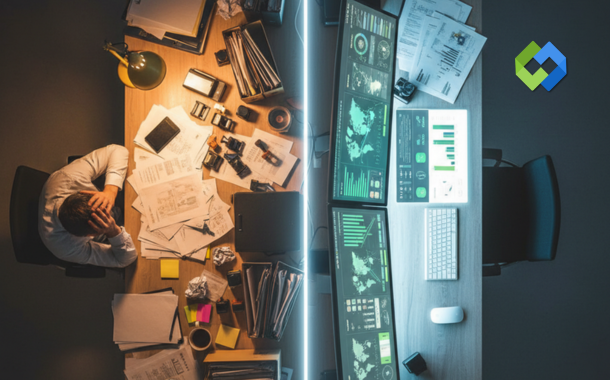
More shipments. More compliance requirements. More coordination across teams. What once felt manageable starts requiring more effort than it should. That’s where trade management software begins to make a noticeable difference, not just by speeding things up, but by reshaping how operations function at a core level.
Below are some of the ways it actually improves business efficiency in practice.
Table of Contents
1. Integrated Automation Reduces Constant Oversight
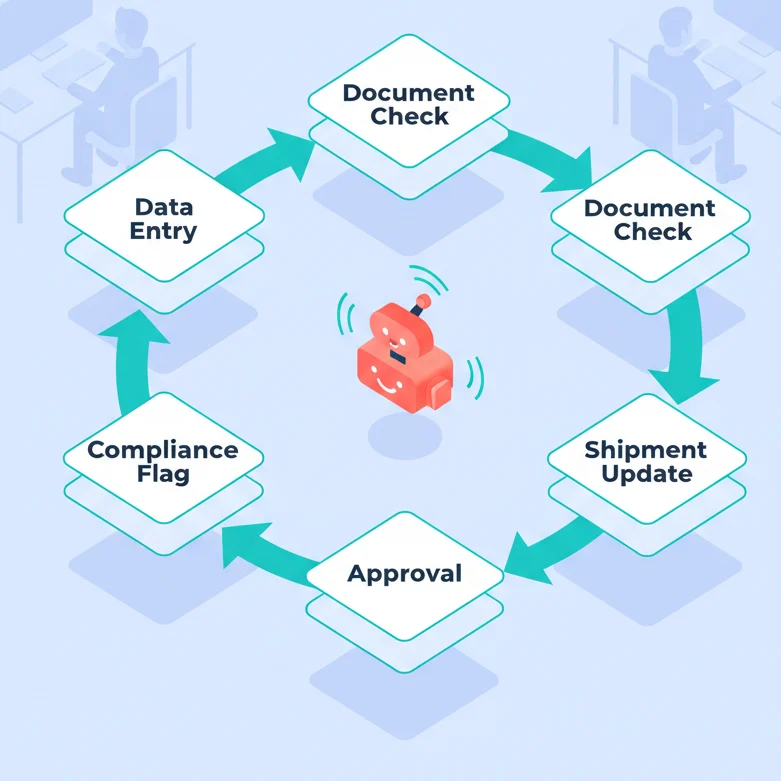
Manual trade processes depend heavily on human involvement at every step. Data entry, document checks, approvals, updates, and everything require attention. That level of involvement doesn’t just take time; it creates inconsistency.
Integrated automation changes that dynamic. Tasks move through predefined workflows. Data flows between systems without repeated input. Routine steps happen without needing someone to trigger them manually. The result isn’t just faster execution. It’s a more stable process that doesn’t rely on constant supervision to stay accurate.
2. Full Visibility and Control Replace Guesswork
One of the biggest challenges with manual systems is fragmented information. Teams often work with partial views, pulling updates from different sources just to understand what’s happening.
That lack of visibility slows decisions. With centralized software, everything connects. Shipment status, documentation, and compliance data are all accessible in one place. You’re not piecing together information anymore. You’re seeing it as a whole.
This level of visibility creates better control. Not the kind that depends on checking everything manually, but the kind that comes from knowing exactly where things stand at any given moment.
3. Faster, Smoother Shipments Become the Norm
Delays in trade operations rarely come from a single issue. They tend to build from small inefficiencies, missing documents, slow approvals, or simple miscommunication. Manual systems make these gaps harder to manage, especially as volume increases. This is where trade management software starts to make a visible difference. When processes are automated and connected, shipments move with fewer interruptions. Documentation is prepared earlier, requirements are checked in advance, and updates flow without constant follow-up.
In many cases, businesses exploring solutions like https://www.livingstonintl.com/services/tradesphere/ begin to recognize that delays were often rooted in process fragmentation rather than external disruptions. That shift in perspective changes how operations are approached.
In that context, Livingston International often comes up in conversations about how trade workflows are changing as companies move away from fragmented systems. Its TradeSphere® platform is usually noted for combining ERP and supplier integration with clearer dashboard visibility and built-in automation. For many organizations, that kind of setup reflects a broader shift toward trade management that feels less reactive and more structured, without adding layers of operational complexity.
4. Compliance Becomes Simplified and Integrated
Compliance is one of the most demanding aspects of trade operations, and one of the easiest areas for manual systems to fall short. Regulations change. Requirements vary across regions. Documentation needs to be precise. Handling all of this manually creates pressure. Teams rely on knowledge, experience, and constant checking to stay aligned.
With trade management software, compliance becomes part of the workflow. It’s integrated, not separate. Checks happen automatically. Requirements are built into processes. Errors are flagged before they become issues. It doesn’t eliminate responsibility, but it makes compliance far more manageable.
5. Predictable, Repeatable Processes Replace Inconsistency
Manual workflows often vary depending on who is handling them. Even with guidelines in place, small differences in execution can lead to inconsistencies.
Over time, those inconsistencies create risk. Software introduces structure. Processes are defined and repeatable. Tasks follow the same path every time, regardless of volume or complexity. That predictability makes operations easier to manage. It also makes outcomes more reliable, which is critical when dealing with global trade.
6. Automated Daily Regulatory Updates Keep Teams Aligned
Staying updated with trade regulations manually is a constant challenge. Changes don’t always come with clear signals, and missing an update can have serious consequences.
Teams often spend time tracking these changes separately, adding another layer of effort to an already complex process. With automated regulatory updates, the system stays current. Changes are reflected within workflows. Teams don’t have to chase updates; they work within them. This reduces risk and ensures that compliance isn’t dependent on manual monitoring.
7. Outstanding Visibility and Data Sharing Improve Collaboration
Trade operations involve multiple teams, and often external partners as well. In manual setups, sharing information can be slow and inconsistent. Emails get lost. Files are outdated. Teams work with different versions of the same data.
With centralized systems, data sharing becomes seamless. Everyone works from the same information. Updates are visible in real time. Collaboration becomes more direct and less dependent on constant communication. It’s not about reducing interaction. It’s about making it more effective.
Conclusion
Trade management software doesn’t just make processes faster. It changes how they function. Integrated automation reduces the need for constant oversight. Visibility replaces guesswork. Compliance becomes part of the workflow instead of a separate burden. And as processes become more predictable and connected, efficiency starts to feel less like an effort and more like a natural outcome.
For businesses still managing trade manually, the shift isn’t just about keeping up. It’s about creating a system that can handle growth without adding complexity at every step.